Layering window coverings in your home creates a beautiful, multi-dimensional look that offers enhanced functionality as well as a sophisticated look.
It is the perfect option for living rooms and bedrooms, where you can be a bit more adventurous with the type of window treatments used than you might be in more practical rooms such as bathrooms, kitchens and dining rooms.
What are layered window treatments?
The term ‘layered window treatments’ or ‘layered window coverings’ simply refers to the combination of two or more different styles of curtains or blinds on the same window.
Why layer your window treatments?
Better design: Having more than one window treatment elevates the design of a space, providing a customized look. Adding curtains can create a sense of softness to a room, that you don’t get with blinds alone.
Improved functionality: Adding a second window treatment also improves insulation – preventing heat from escaping through the windows better – and it gives privacy as well as providing additional light & UV control – protecting your furniture and flooring from fading.
What are the different options for layered window treatments?
There are three main options for layered window treatments:
Blinds with curtains on top
Curtains with curtains
Blinds with blinds
Layering Curtains with curtains
The most traditional way we use layering in homes is with different types of curtains.
We refer to this as Day & Night Curtains. At night, we prioritise the light-blocking qualities of lined curtains, and during the day, soft sheer curtains cover the windows for privacy and sunlight control.
Lined curtains on top of sheer curtains
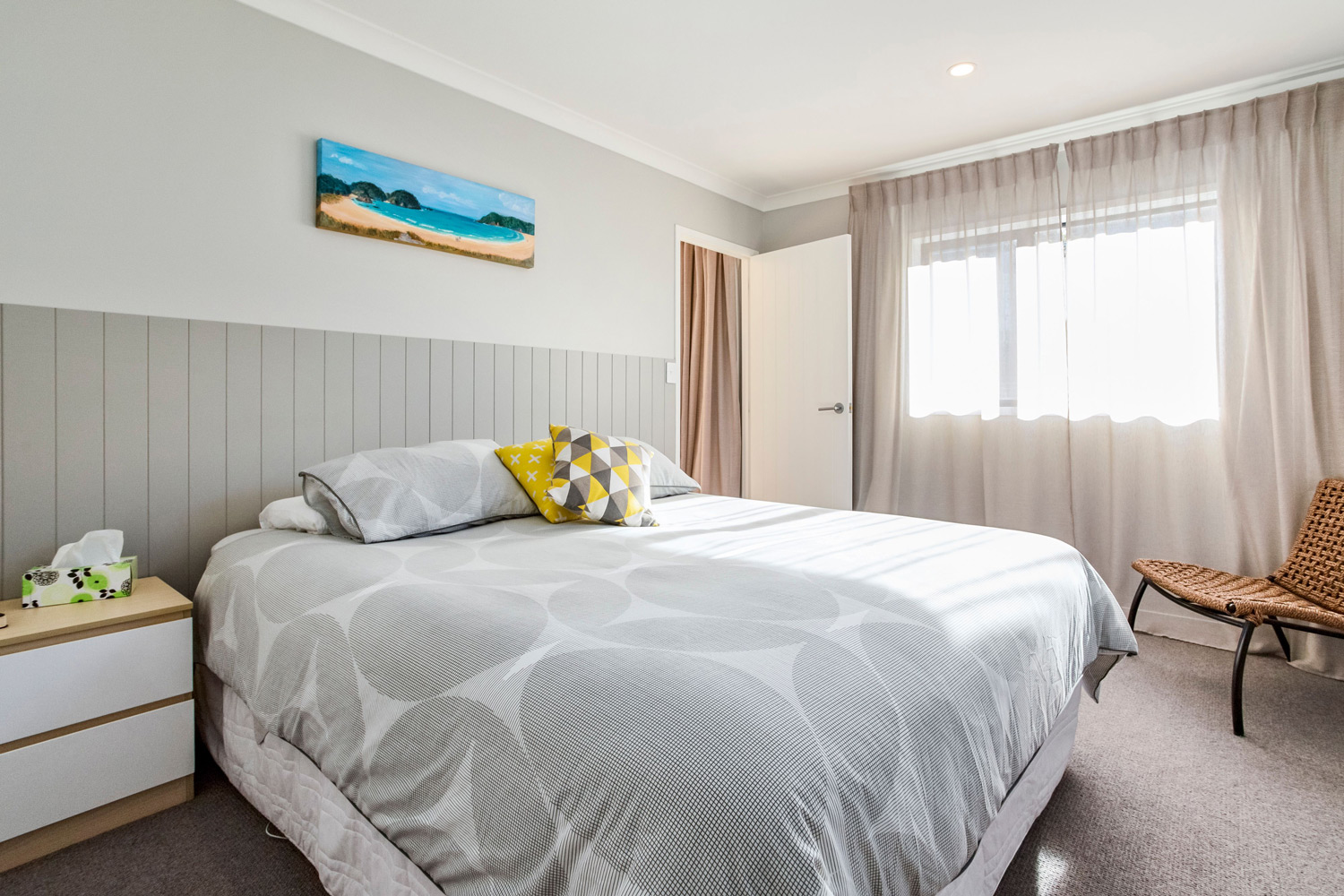
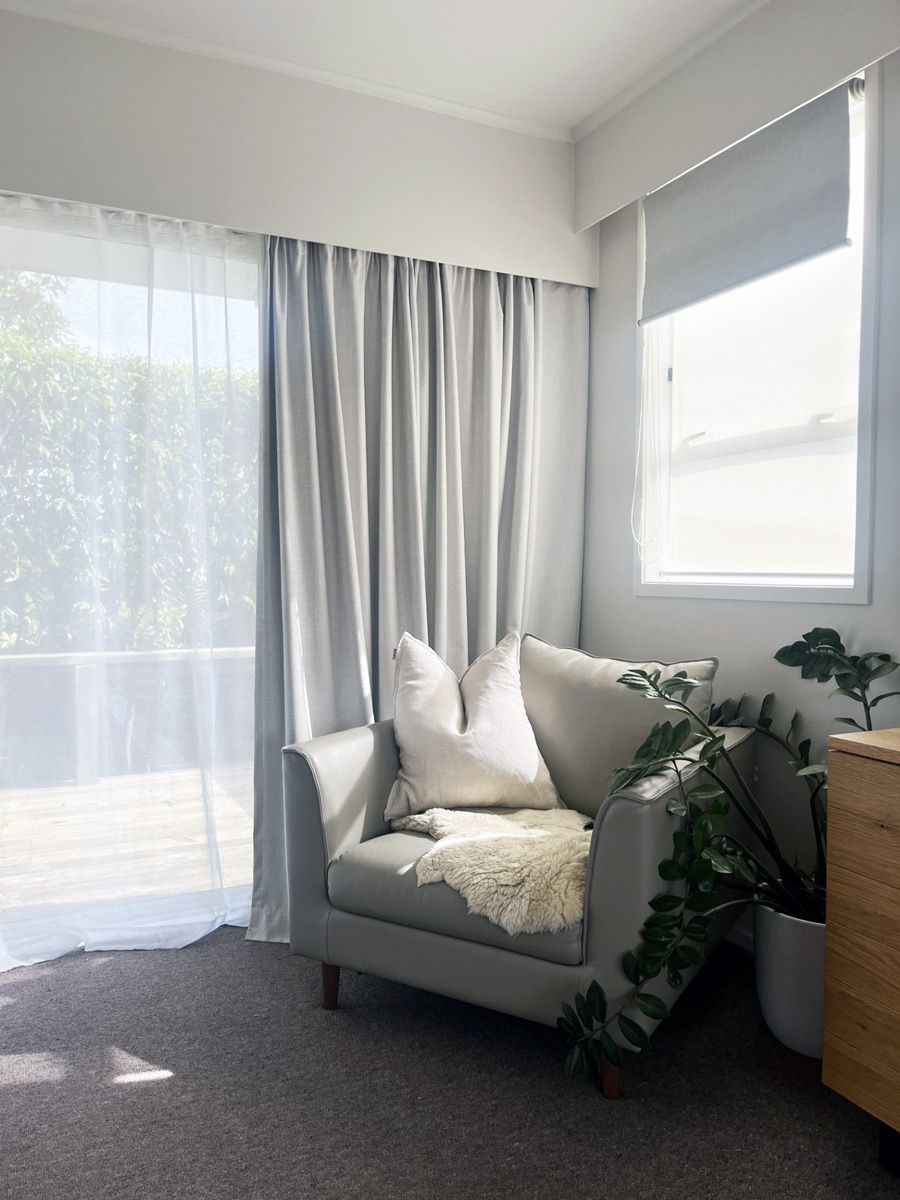
The most common way to layer curtains is to the have a sheer curtain that sits behind a lined curtain. This is a fantastic option for both privacy, light control and aesthetics. The sheer curtain is often continuously drawn, and the lined curtain is pulled back during the day.
BEST USE: Bedrooms, lounges, dining rooms
Sheer curtains over blockout curtains
A trend in recent years is to have the sheer curtain at the front, and the blackout fabric behind. This gives a very elegant, delicate look which creates a softness in modern homes that are often minimal in design and full of hard lines.
BEST USE: Bedrooms, lounges, dining rooms
Layering Curtains with blinds
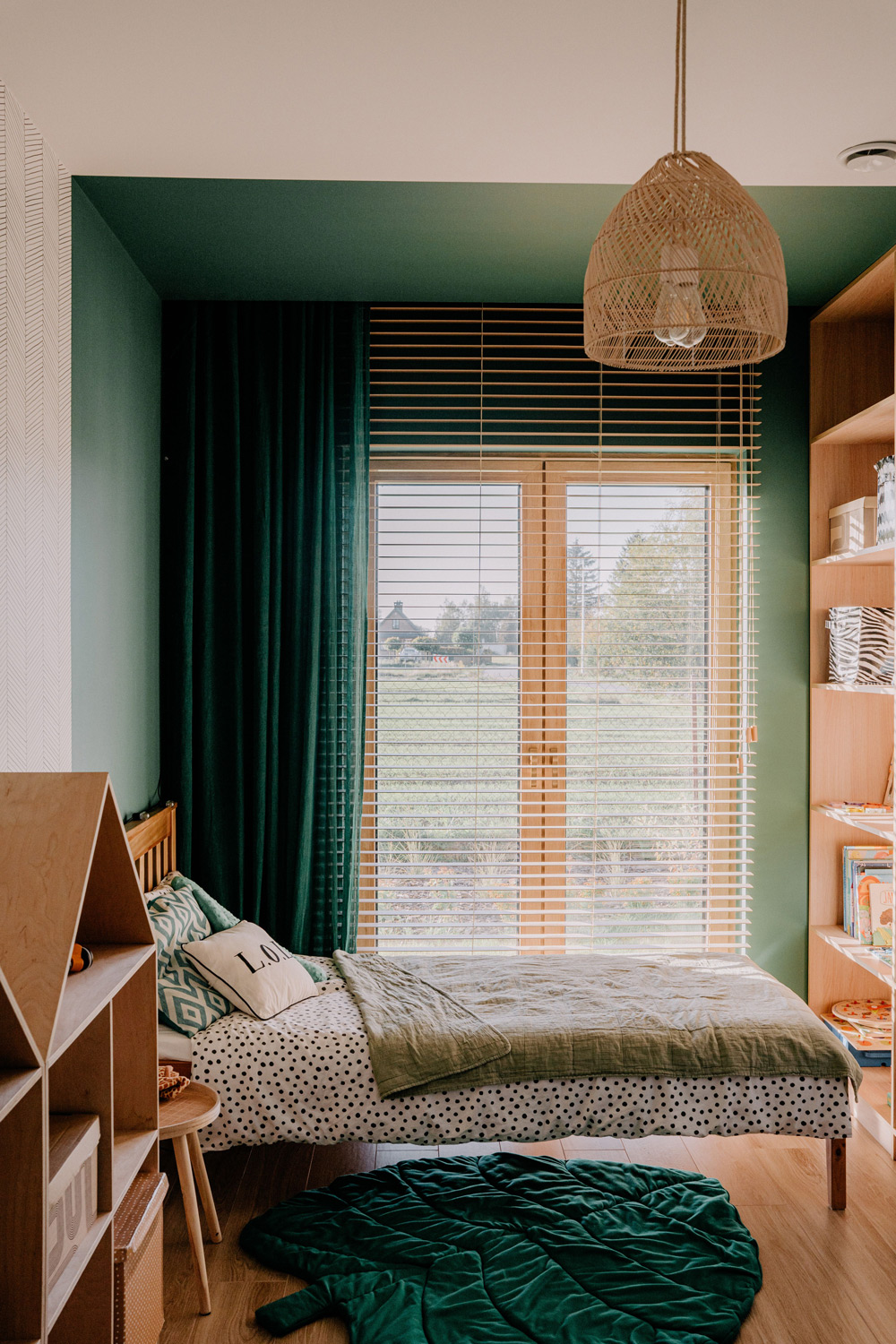
To soften the visual effect of blinds in a bedroom or living room, curtains can be added over the top.
If your blinds option is the main source of light control for night time (such as blackout roller blinds or venetian blinds) then either sheer or lined curtains can be added over top of them.
However, if you have chosen light filtering roller blinds, or sunscreen roller blinds then it would be best to use lined, blockout curtains for controlling the light entering your room at night and in the morning.
BEST USE: Bedrooms
Layering blinds with blinds
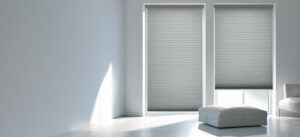
Dual roller blinds
For a minimal look, dual roller blinds are a practical solution that offer both daytime and nighttime benefits.
It is worth noting that inside-set roller blinds will always allow a small amount of light in, but they are a sleek and modern look, and can be very useful in rooms where space is at a premium as they don’t encroach on the space.
If you love the practicality of dual roller blinds – where you can have both blackout and privacy at night time, as well as sunlight control and privacy during the day – you could still always add a sheer curtain over the top for a softer look.
Roman blinds over roller blinds
Pairing Roman blinds with light-filtering roller blinds is another great window treatment option.
The roman blind is fitted outside the window frame which ensures a much better blackout in bedrooms than roller blinds, and roman blinds also insulate the window more effectively than roller blinds alone.
Two layers trap more air at the window, helping regulate temperature. Roman blinds are also created with a thicker fabric or and can have a thermal lining which adds insulation. When the roman blind is raised during the day, the light filtering roller blinds, or sunscreen roller blinds will help reduce drafts and UV damage to furniture.
Roller blinds always look clean and minimal, but they can also feel a bit sparce on their own. Layering with Roman blinds introduces texture, colour, and softness. It’s a nice way to warm up the look of modern spaces or make traditional rooms feel more luxurious – without taking up much extra space.
This combination also works well for windows set up high, like behind beds.
BEST USE: Bedrooms
Varying different layered window coverings in a room.
The other option to keep in mind, is that within a single room you may want to have different types of window treatments.
For large glass doors, layered curtains (or consider our innovative new range of Veri Shades) are a great option as they are easy to draw to the side to allow flow outside, then for smaller windows dual roller blinds, roller blinds, venetian blinds or shutters create a space saving, minimalist look.
Roller blinds can also be a good option for large doors or windows, especially when they are automated – to allow for one-touch raising of all blinds in the morning.
How to decide what layered window coverings to choose?
There are many things to take into consideration when deciding what layered window treatments to choose. You want to think about your goals – and go from there.
Some questions to ask are:
Functionality – Do you need blackout, light filtering, or just a little privacy?
Insulation – Do you want them to assist with temperature control? This is important if your windows get a lot of sun or draft.
Privacy – Especially important for street-facing windows.
Style – Are you looking for a formal or relaxed look? Do you want the room to be practical, minimal or feel luxurious?
Space – do you have enough room for curtains, or would blinds be a better choice?
There is a lot to think about, but that is where we come in! Our experienced binds and curtains consultants can assess your requirements and recommend options that will suit your home best.